

What’s something most people don’t understand?
First of all, I will answer this question based on the environment in which I live and what I can observe.
As citizens living in a state, and with the needs that arise in our daily lives, we automatically have demands and expectations of the state and its government. As usual, the majority of citizens remain unsatisfied with the fulfillment of our needs.
However, sometimes we forget, or let’s say we don’t understand, that the state is us, the citizens. We make the state by our choices, behavior, and actions.
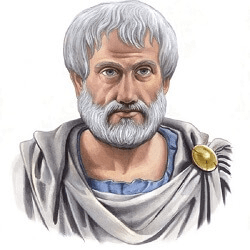
So, we should question ourselves about the element of the citizen in a city, as Aristotle mentioned in Politics:
“The city is some multitude of citizens, hence who must be called a citizen and who is a citizen must be examined. The citizen is often disputed, for not all agree that the same one is a citizen. He who is a citizen in a democracy is often not a citizen in an oligarchy. […]”1
Next, Aristotle gives a more precise definition of citizen as follows:
“From all the above, it becomes very clear that finally, a citizen is the one who participates in political and judicial power.”2
Clearly, as citizens, we have the right to expect certain things from the state, such as the right to participate in judicial matters or exercise a political role; however, we can observe that these rights also entail specific duties.
The conclusion is that, as citizens, we have rights and duties. Once everyone accepts this and understanding prevails among the citizens, I believe we can gradually build our ideal utopian state.
1Translaton: Appendix 2: Translation of Aristotle’s Politics Book III, 1274b41-1275b21, Delba Winthrop, DeGruyter.com
2Aristotle’s Politics, 1275a, translate by me


 Welcome to Vasos Storyland
Leave a reply to Sanjay Ranout Cancel reply